


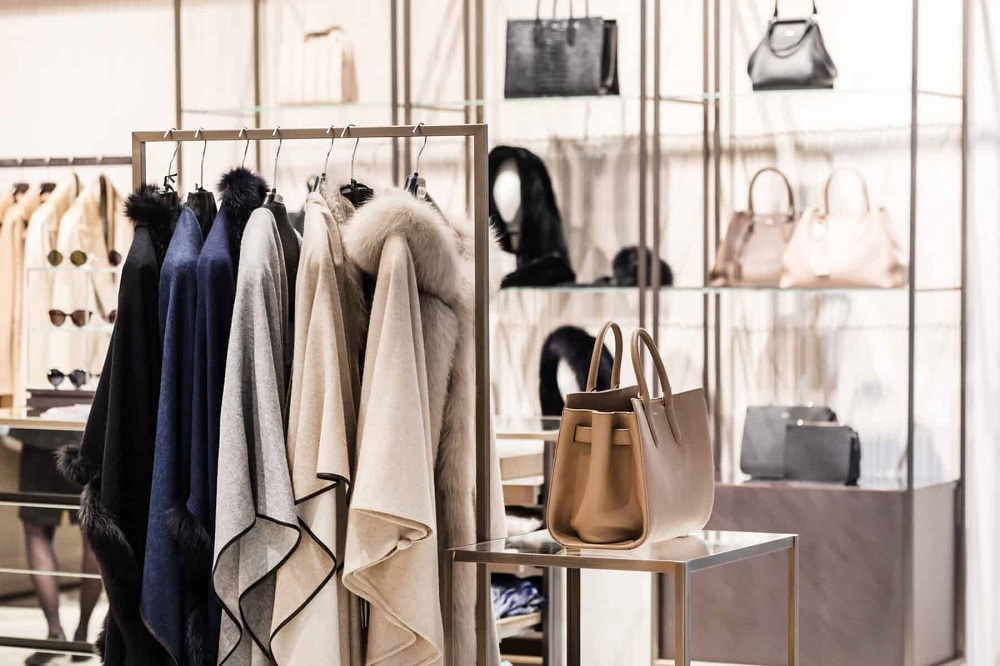
The modern consumer marketplace is saturated with goods, but a stark divide remains between mass-produced, low-tier merchandise and premium products. Premium products, whether they are high-end electronics, well-crafted apparel, chef-grade kitchen tools, or durable home furnishings, command a financial premium for a reason. They utilize superior raw materials, undergo rigorous quality control, and feature thoughtful engineering designed to outlast cheap alternatives.
However, paying full retail price for top-tier goods is often an unnecessary financial sacrifice. The retail industry operates on a complex system of fluctuating margins, seasonal inventory resets, and hidden distribution networks. By shifting from an impulsive purchasing mindset to a strategic, methodology-driven approach, shoppers can consistently acquire premium products without paying premium retail prices.
Decoding the Retail Lifecycle: Timing the Premium Market
Retailers follow a strict seasonal calendar that dictates when merchandise must be cleared out to make room for incoming inventory. Understanding this cyclical timeline is the easiest way to secure substantial discounts on high-end goods.
Exploiting End-of-Season Clearances
The traditional retail calendar runs several months ahead of actual weather patterns. Spring clothing arrives in freezing January, while heavy winter parkas hit the sales floor during the heat of August. This temporal mismatch creates massive opportunities for the patient consumer.
-
Post-Holiday Resets: The period immediately following major holidays, particularly late December and early January, forces retailers to liquidate unsold premium gift inventory, electronics, and luxury goods at or near cost.
-
Seasonal Transitions: Purchasing premium summer gear, such as high-end patio furniture or premium grills, is most cost-effective in September and October. Conversely, top-tier winter sports equipment and heavy coats drop to their lowest prices in March and April.
Navigating Holiday Promotional Inversions
While major shopping holidays like Black Friday, Cyber Monday, and Memorial Day weekend feature massive advertising campaigns, they are double-edged swords. Retailers frequently manufacture lower-tier, cheaper product variants specifically to sell as doorbusters during these events.
To find genuine premium goods during holiday sales, avoid the headline-grabbing impulse items. Instead, focus on established, high-end models that have been on the market for several months. Retailers will often discount these authentic premium models to compete for consumer attention, allowing smart shoppers to bypass the cheap promotional models.
Leveraging Alternative Distribution Channels
The traditional department store or brand flagship boutique is the most expensive place to buy a premium product. High-end brands utilize alternative distribution networks to liquidate overstock and open-box items without diluting their primary brand image.
Embracing Open-Box and Refurbished Programs
For premium electronics, kitchen appliances, and home goods, the open-box and manufacturer-refurbished markets offer pristine quality at a fraction of retail cost.
An open-box item is frequently nothing more than a product a customer purchased, brought home, and returned without ever using it, simply because they changed their mind or the color did not match their room. Retailers cannot legally resell these as brand new, forcing immediate, steep price cuts.
Manufacturer-refurbished products are items that were returned due to a minor defect or cosmetic blemish. The original manufacturer repairs the item, replaces any worn components, tests it to original factory specifications, and backs it with a certified warranty. Buying certified refurbished items from reputable brands yields identical performance and structural longevity to a factory-new unit.
Sourcing from Off-Price Retailers and Liquidators
Premium apparel, footwear, and luggage brands frequently produce more inventory than their primary boutiques can sell. The excess inventory is quietly routed to off-price retail chains and dedicated liquidation companies.
When navigating these stores, skip past the merchandise made specifically for discount outlets, which usually features cheaper fabrics and simpler construction. Instead, hunt for the past-season overstock items from true luxury labels. These pieces boast superior stitching, heavy-weight hardware, and premium natural textiles like wool, silk, and full-grain leather, priced competitively with standard mass-market goods.
Technological Optimization: Digital Tracking and Data Neutrality
E-commerce platforms utilize sophisticated, dynamic pricing algorithms that change product costs in real time based on consumer demand, browsing history, and geographic location. Shoppers can use digital tools to turn these algorithms to their advantage.
Deactivating Dynamic Tracking Bias
When browsing online stores for high-end merchandise, the website tracks your cookies and search history. If the algorithm detects that you have visited the same premium item multiple times, it may freeze the price or raise it slightly to induce an anxious, panic-driven purchase.
-
Incognito Browsing: Always search for premium goods using private or incognito browser tabs to prevent sites from building a behavioral profile on your shopping intent.
-
Cache Clearing: Clear browser cookies and history before executing a final purchase to ensure the site views you as a brand-new, price-sensitive visitor.
-
Virtual Private Networks: Utilize a VPN to check if prices shift based on your geographic location, as retailers sometimes offer lower prices to regions with lower average household incomes.
Implementing Price Tracking Automation
Instead of manually checking a webpage every day, employ dedicated digital price tracking tools. These programs monitor product URLs across major retailers and send instant notifications when a price drops below a specific threshold. Many of these tools maintain historical price charts, allowing you to see the exact lowest price a premium item has reached over the past year. If the current price is significantly higher than the historic low, you know to delay the purchase until the next structural discount cycle.
The Philosophy of Total Value: Price per Use Strategy
Finding premium products affordably requires a radical shift in how we define a bargain. A cheap product that breaks after three uses is incredibly expensive. A premium product that costs three times as much but lasts for a decade is, in reality, the true economic bargain.
Calculating Price per Use
When evaluating a premium purchase, calculate its projected price per use. Divide the total purchase price by the estimated number of times the item will be utilized over its lifespan.
A high-end, three-hundred-dollar winter coat worn fifty times a year for five years costs approximately one dollar and twenty cents per wear. A cheap, sixty-dollar alternative that loses its insulation and rips after one winter costs over a dollar per wear, while requiring immediate replacement. Investing in the premium variant protects long-term capital and provides a vastly superior user experience.
FAQs
What is the difference between a factory outlet store and a retail flagship store?
Flagship stores carry a brand’s current-season, premium-tier inventory built to the highest design and material standards. Modern factory outlet stores, conversely, rarely stock excess flagship inventory. Instead, they sell lower-quality clothing lines manufactured specifically for the outlet, utilizing cheaper synthetic blends, thinner fabrics, and less detailed construction methods to maintain a low price point.
How can you verify that a discounted premium item is genuine and not a counterfeit?
To ensure authenticity, check the construction details. Premium products feature flawless, uniform stitching with no loose threads, heavy metal zippers that glide smoothly, and deeply embossed or engraved branding rather than superficial surface prints. Additionally, ensure the seller is an authorized reseller, or use verified, authenticated secondary marketplaces that provide legal guarantees of product legitimacy.
Are flash sale websites a reliable source for high-end luxury goods?
Flash sale websites can offer genuine discounts on luxury items, but they require caution. Many brands now manufacture lower-tier capsule collections specifically for flash sale platforms, which do not meet the standards of their main lines. Always cross-reference the exact product model number with the manufacturer’s archive to verify if it is an authentic overstock item or a cheap promotional reproduction.
What are the best months of the year to buy premium home appliances affordably?
The optimal months to purchase major premium appliances are September and October. During this autumn window, manufacturers unveil their newest models, forcing appliance showrooms to aggressively discount their existing floor models and inventory to clear out warehouse space. The period around major holiday weekends like Memorial Day and Labor Day also features reliable, authorized promotional pricing.
Is it safe to buy premium electronics that are labeled as store display models?
Buying store display models is generally safe and highly economical for items like premium audio speakers, cameras, or computers, provided they come with a full manufacturer warranty. However, be cautious with display televisions or smartphones, as these screens are left turned on at maximum brightness for thousands of hours continuously, which can cause internal component degradation or screen burn-in.
How does joining a brand’s loyalty program help secure premium items cheaper without paying full retail?
Premium brands rarely advertise massive public discounts to protect their elite brand status. Instead, they distribute private promotional codes, early access to private archive sales, and targeted birthday rewards exclusively through their inner loyalty loops and email registries, allowing members to secure premium items quietly before the public stock is depleted.
